Key Points:
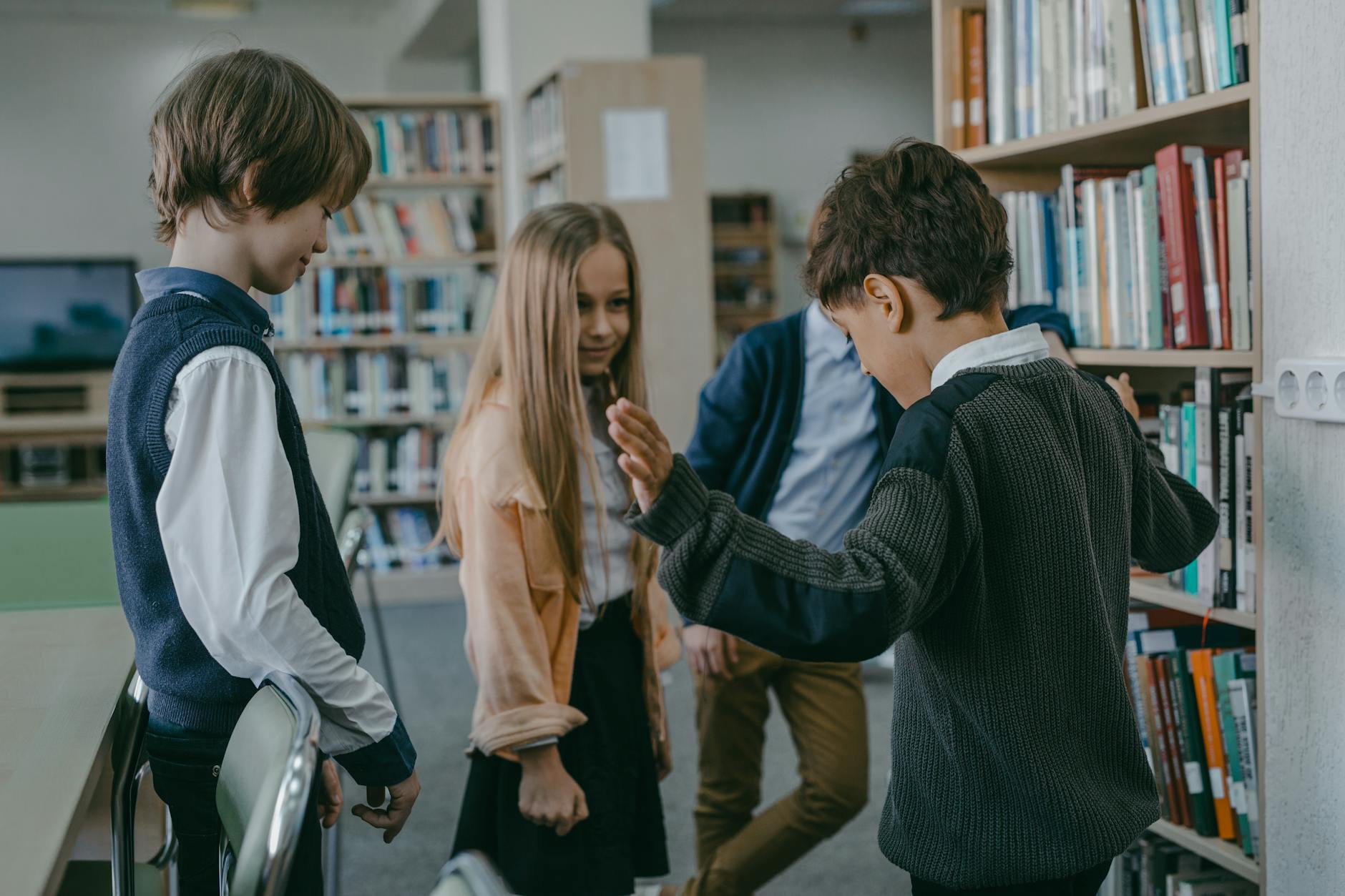
The library learning commons is a flexible space (ZUBKE and EKDAHL, 2014). We have a website that is helpful for all. Our book collection represents student’s culture, languages and celebrations (The Canadian Children’s book Centre, 2025). Students are known. The LLC is a fun and engaging place that allows for students’ voice and choices (LaGarde, 2019)
Rational:
Library learning commons should be flexible with physical and virtual space Students need to be accurately represented in books, and students should learn about a variety of cultures to better understand others and grow their empathy. Students will be more interested in something if they are able to have an input.
Works Cited:
The Canadian Children’s Book Centre. The Canadian Children’s Book Centre, 2025, https://bookcentre.ca/. Accessed 18 Oct. 2025.
Langley School District. (2015). Library Learning Commons. Retrieved from https://instructionalservices.sd35.bc.ca/curriculum/learning-commons/ (Accessed 19, Oct. 2025)
ZUBKE, S. and EKDAHL, M. (2014) Learning commons, BC Teacher-Librarians’ Association. Available at: https://bctla.ca/resources/library-learning-commons/ (Accessed: 04 December 2025).
LaGarde, Jennifer. “From Student Voice to Student Agency: Creating Library Spaces for Kids by Kids.” Librarygirl, Librarygirl, 20 Mar. 2019, www.librarygirl.net/post/from-student-voice-to-student-agency-creating-library-spaces-for-kids-by-kids. Accessed Nov. 8, 2025.
Weisburg, Hilda K., et al. New on the Job : A School Librarian’s Guide to Success. Second edition., ALA Editions, 2015. Accessed Dec. 1, 2025.
 Jen Robertshaw